Resilience and confidence are no longer optional traits for students. In today’s learning environment, children are expected to manage academic demands, social relationships and emotional challenges from an early age. Assessment pressure, busy schedules, peer comparison and digital exposure all add layers of complexity to a student’s daily experience. Without the skills to cope with setbacks and self-doubt, even capable students can struggle to stay motivated and engaged.
Confidence directly influences how students approach learning. Confident students are more likely to attempt challenging tasks, participate in class and persist when work becomes difficult. Resilience allows them to recover from mistakes, adapt to change and view challenges as opportunities rather than threats. This guide is designed to help parents and educators understand how to raise resilient children by using practical, evidence-based strategies. Readers will gain clear insights into building emotional strength, positive learning habits and long-term self-belief that support success both in school and beyond.
Understanding Resilience & Confidence
In an academic context, resilience refers to a student’s ability to cope with challenges, setbacks and pressure while continuing to learn and grow. It is not about avoiding difficulty or stress, but about developing the skills needed to respond constructively. Resilient students can regulate emotions, seek help when needed and remain engaged even when learning feels uncomfortable.
Confidence develops through experience. Children build confidence when they understand concepts, receive constructive feedback and feel supported in their efforts. During adolescence, confidence can fluctuate as students become more self-aware and sensitive to external opinions. Supportive environments play a critical role in stabilising confidence during these years.
There is a strong relationship between resilience, motivation and performance. Students who are resilient tend to maintain motivation even when progress is slow. They are more willing to put in effort because they believe improvement is possible. A common myth is that confident students never struggle or feel anxious. In reality, confidence grows when students learn how to overcome difficulties, not when challenges are removed. Understanding how to raise emotionally resilient children involves helping them navigate effort, feedback and gradual progress.
Why Resilience & Confidence Are Essential
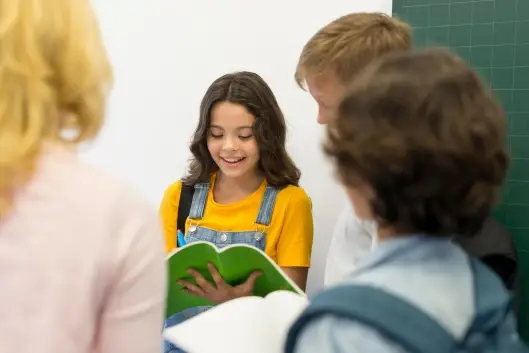
Resilient and confident students show higher levels of engagement in learning. They participate actively, ask questions and persist with tasks that require sustained effort. This engagement leads to deeper understanding and stronger academic outcomes over time.
Another key benefit is the ability to handle academic challenges and feedback. Students with low resilience may interpret correction as failure and withdraw from learning. Resilient students, however, view feedback as information that helps them improve. This mindset supports continuous growth rather than avoidance.
Long-term benefits extend well beyond school. Students who develop resilience and confidence are better equipped to manage stress, make independent decisions and maintain positive mental wellbeing. These skills are particularly important during transitions, such as moving from primary to secondary school or preparing for senior years. Learning how to raise mentally resilient children helps them approach these changes with confidence rather than fear.
Recognising Signs Of Low Confidence Or Poor Resilience
Recognising early signs of low confidence or resilience allows parents and educators to intervene before challenges escalate. These signs are not always obvious and may vary between children.
Common behavioural and emotional indicators include:
- Frustration or emotional outbursts when facing challenges.
- Avoidance of new or demanding tasks.
- Excessive need for reassurance.
- Difficulty coping with minor setbacks.
Academic signs may also emerge, such as:
- Procrastination or refusal to complete homework.
- Fear of assessments or class participation.
- Labelling themselves as not good at a subject.
- Sudden decline in effort or engagement.
Social withdrawal and self-doubt can signal deeper confidence issues. Some students become quieter and disengaged, while others mask insecurity through disruptive behaviour. Early intervention is important. Small, supportive changes can prevent long-term disengagement and help rebuild confidence gradually.
Creating A Supportive Learning Environment At Home
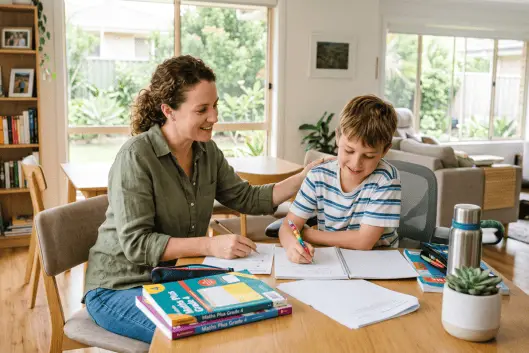
A supportive home environment provides the foundation for resilience and confidence. Predictability and structure help students feel secure and reduce unnecessary stress. Simple routines around study, rest and family time can significantly improve focus and emotional regulation.
Key elements of a supportive learning environment include:
- Consistent daily routines that balance study and downtime.
- A quiet, organised space for learning.
- Clear but realistic expectations.
- Positive reinforcement of effort rather than results.
Open communication is equally important. Encouraging children to talk about their day, challenges and emotions without fear of judgement builds trust and emotional safety. When students feel heard, they are more likely to seek help early and develop problem-solving skills.
Balancing support and independence is essential. Over-directing or solving problems for children can undermine confidence. Allowing students to attempt tasks independently, while offering guidance when needed, helps build self-belief and responsibility. This balance is central to understanding how to raise resilient children in everyday situations.
When To Seek Additional Support Or Guidance?
While many confidence and resilience challenges can be addressed at home, there are times when additional support is beneficial. Recognising these moments early can prevent ongoing academic or emotional difficulties.
Signs that professional guidance may be helpful include:
- Persistent anxiety related to school or assessments.
- Ongoing avoidance of learning tasks.
- Declining academic performance despite effort.
- Low self-esteem or negative self-talk that does not improve.
Academic coaching or mentoring can provide structured, non-judgemental support. Mentors help students understand how they learn, develop coping strategies and set realistic goals. This guidance often restores motivation and confidence more effectively than increased pressure.
Assessments also play an important role. Tools that identify strengths, learning gaps and readiness levels provide clarity for both parents and students. With this insight, families can implement targeted, long-term strategies that support emotional resilience and academic growth.
Practical Tips Parents Can Apply Daily
Building resilience and confidence does not require dramatic changes. Small, consistent actions have the greatest impact over time. Parents can support their child through everyday habits that reinforce effort, self-awareness and independence.
Practical strategies parents can apply daily include:
- Praising effort, strategy and persistence rather than intelligence.
- Encouraging reflection on what was learned from mistakes.
- Helping children set small, achievable goals.
- Allowing age-appropriate responsibility at home and school.
Modelling resilience as a parent is also powerful. Children learn by observing how adults respond to challenges. Calm problem-solving, positive language and emotional regulation demonstrate healthy ways to manage setbacks.
Creating opportunities for independence further strengthens confidence. Allowing students to plan their study time, manage tasks and make decisions helps them trust their own abilities. These habits support how to raise emotionally resilient children in real-world contexts.
Creating opportunities For Independence
Independence is closely linked to both confidence and resilience. When students are trusted to take ownership of tasks, they begin to believe in their capability to handle challenges. Independence does not mean a lack of support. It means offering guidance while allowing students to experience responsibility.
Effective ways to encourage independence include:
- Letting students organise their homework and study schedules.
- Encouraging them to communicate directly with teachers when appropriate.
- Allowing natural consequences to occur in a safe environment.
- Asking reflective questions instead of providing immediate solutions.
Consistency and patience are essential. Resilience develops gradually through repeated experiences of effort, feedback and adjustment. Parents and educators should focus on progress rather than perfection and recognise that setbacks are part of growth.
At GrowthEdge Learning, students are supported through personalised mentoring and evidence-based strategies that build both academic capability and emotional strength. Under the guidance of Dr Pratibha Malhotra (PhD), GrowthEdge Learning uses the GABA™ Academic Benchmark Assessment to help families understand learning profiles and identify suitable development pathways. With expert mentors and a strong focus on confidence, clarity and leadership, GrowthEdge Learning partners with parents and educators to support students in becoming resilient, confident learners prepared for success at school and beyond.