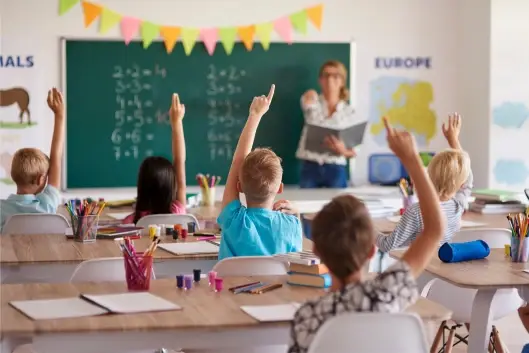
Many parents assume that once a child can read the words on a page fluently, understanding will naturally follow. In reality, this is not always the case. A child can sound out every word correctly and still miss the meaning behind the story entirely. Reading comprehension is a separate, learnable skill, one that goes well beyond simply decoding text on a page. The good news is that building this skill does not need to feel like extra homework. In this blog, we will look at why comprehension matters just as much as reading itself, and share practical, enjoyable ways to build reading comprehension activities into everyday life at home.
Why Reading Comprehension Matters More Than Just Reading
Reading and understanding are two very different skills, and recognising this distinction is the first step in supporting a child’s development.
The Difference Between Reading & Understanding
Being able to pronounce words fluently does not guarantee that a child understands what they mean. Comprehension involves connecting ideas, inferring meaning between the lines, and following the flow of a narrative from start to finish. A child might read a page perfectly and still struggle to explain what actually happened in the story, which is a clear sign that comprehension needs more attention than decoding alone.
Why Comprehension Skills Impact Learning Across Subjects
Strong reading comprehension underpins success not just in English, but in maths, science, and virtually every other subject at school. Word problems in maths, instructions in science experiments, and even history texts all rely on a child’s ability to extract meaning from what they read. Weak comprehension can quietly affect academic performance across the board, often without parents realising the root cause.
Turning Story Time Into Interactive Learning
Story time offers a natural, low pressure opportunity to build comprehension skills, without it ever feeling like a lesson.
Asking Questions Before, During & After Reading
Encouraging children to predict what might happen next before turning the page is one of the simplest reading comprehension strategies available. Pausing to check understanding with a few simple questions during the story, and again once it is finished, helps reinforce meaning rather than letting the story pass by passively.
Encouraging Kids To Retell The Story In Their Own Words
Asking a child to retell a story in their own words helps reinforce sequence, structure, and key details. It also builds confidence in expressing understanding verbally, which is a skill that carries over into classroom discussions and written work alike.
Using Voices & Expression to Bring Stories To Life
Reading with expression and different voices for characters helps children engage more deeply with the meaning behind the words. It turns story time into an experience rather than a task, making comprehension practice feel like genuine enjoyment rather than an academic exercise.
Fun Games & Activities That Build Comprehension
Games are one of the most effective and enjoyable reading comprehension activities available to families, since they turn practice into play.
Story Mapping & Sequencing Games
Using simple diagrams or cards to map out the beginning, middle, and end of a story helps children visualise structure and cause and effect. This kind of visual approach is particularly useful for kids who find it easier to process information visually rather than purely through discussion.
Prediction & What Happens Next Challenges
Pausing at key moments in a story to guess what might happen next encourages active thinking rather than passive reading. This simple technique is one of the most effective reading comprehension strategies, since it keeps children mentally engaged throughout the story rather than simply waiting for the ending.
Comprehension-Based Board Games & Quizzes
Turning comprehension practice into a game format, whether through simple quizzes or comprehension based board games, keeps the focus on fun rather than feeling like a test. When learning feels like play, children are far more willing to engage without resistance.
Using Everyday Moments To Practice Understanding
Reading comprehension does not need to be confined to books alone. Everyday moments offer plenty of opportunities to strengthen these skills naturally.
Reading & Understanding Instructions
Following a recipe, reading the rules of a board game, or working through simple DIY instructions all provide practical, real world context for practising comprehension. These activities show children that understanding text has genuine, useful applications beyond the classroom.
Making Sense Of Signs, Labels & Everyday Text
Understanding street signs, packaging, or simple notices reinforces comprehension outside of formal reading time. This kind of incidental practice is a helpful part of how to improve reading skills, since it happens naturally throughout the day without requiring a dedicated study session.
Turning Conversations Into Comprehension Practice
Asking children to summarise what they just heard or watched, whether that is a conversation, a short video, or a podcast, helps build listening comprehension alongside reading comprehension. The two skills are closely linked, and strengthening one often supports the other.
Encouraging Discussion & Curiosity Around Books
Comprehension deepens significantly when children are encouraged to think and talk about what they have read, rather than simply finishing a book and moving on.
Talking About Stories Beyond The Last Page
Discussing characters, choices, and outcomes after finishing a book helps deepen understanding and build a more personal connection to the story. These conversations often reveal a great deal about how well a child has actually understood what they read.
Letting Kids Ask Their Own Questions
Encouraging curiosity driven questions about a story, rather than only answering questions posed to them, builds critical thinking alongside comprehension skills. This kind of two way engagement often leads to a much richer understanding of the text.
Building A Habit Of Sharing Opinions On Books
Encouraging kids to express what they liked, disliked, or found confusing about a story reinforces comprehension through reflection and personal interpretation. It also helps children develop their own voice and perspective as readers, rather than simply absorbing stories passively.
Final Thoughts
Reading comprehension is just as important as reading itself, and the good news is that it can be built through simple, enjoyable moments woven into everyday life. Rather than treating these strategies as extra work, parents can incorporate them naturally into story time, everyday conversations, and playful activities at home. If your child could use a little extra help with reading comprehension, GrowthEdge Learning offers tailored support to help primary school students build strong reading skills and strategies that carry them through school and beyond.