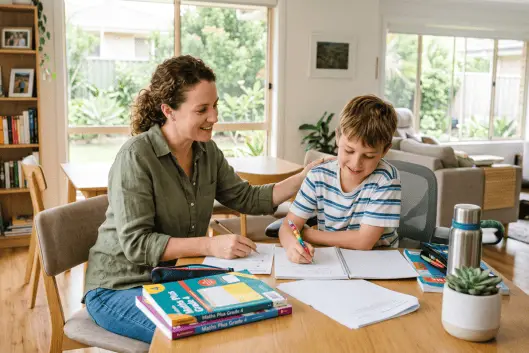
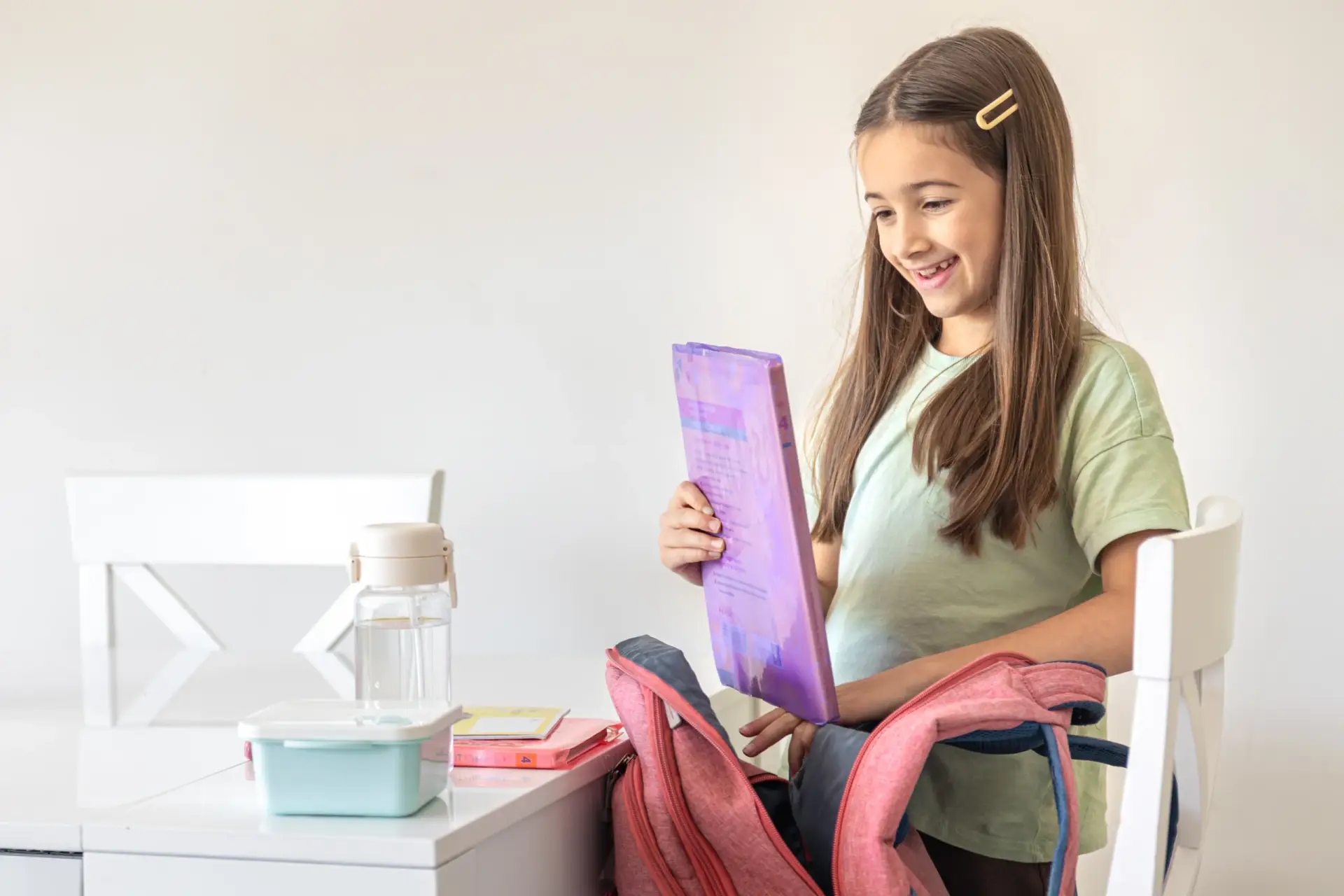
For most families, the days before school starts are a mad scramble, trying to shift from lazy mornings and no timetable to full academic mode almost overnight. It rarely works well, and by the time the first week of term rolls around, both parents and kids are already feeling the strain. The better approach is to start building study habits gradually in the lead up to school, rather than expecting a sudden switch to flick on the moment term begins. In this blog, we will look at why the pre school period matters so much, and walk through practical ways to set up a study routine for students that actually sticks once school is back in full swing.
Why The Preschool Routine Matters
The transition from holiday mode back into a structured school routine can be a bigger adjustment than it seems, and preparing for it ahead of time makes a real difference.
Easing The Transition Back Into Structure
Jumping straight from unstructured holidays into a full school routine can feel overwhelming for children. A gradual shift, introduced a week or two before term starts, helps them adjust without the shock of sudden change, making the first few days back far smoother.
Setting The Tone For The Term Ahead
Habits formed in the lead up to school often carry through into the rest of the year. Taking the time to build effective study habits for students before term begins helps reduce the common first weeks slump in focus and motivation that so many families experience.
Setting A Realistic Study Schedule
A good study schedule does not need to be complicated, it just needs to be realistic and sustainable.
Starting Small Before Term Begins
Rather than diving straight into a full academic load, it helps to introduce short, manageable study sessions in the final week or two of the holidays. Gradually increasing the time and structure as the school start date approaches makes the shift feel far less jarring.
Balancing Study With Rest & Play
It is easy to fall into the trap of an overly rigid schedule too early, but this often backfires. Keeping enough downtime alongside study sessions helps the routine feel sustainable rather than exhausting, which matters just as much as the study itself.
Involving Kids In The Planning Process
Letting children have a say in when and how they study builds a sense of ownership over their own routine. When kids feel involved in shaping their study routine for students, they are far more likely to stick with it once school begins.
Creating A Distraction-Free Study Space
Where a child studies matters just as much as when they study.
Choosing The Right Spot At Home
Selecting a quiet, consistent location away from high traffic areas helps signal to the brain that it is time to focus. Consistency in location is one of the simplest yet most effective study techniques for students, since the brain quickly learns to associate that space with concentration.
Minimising Common Distractions
Managing screen time, notifications, and background noise makes a noticeable difference to focus. Keeping the space tidy and free of unrelated clutter also helps reduce the small distractions that can quietly derail a study session.
Making The Space Inviting, Not Clinical
A good study space does not need to feel like punishment. Adding comfortable but functional elements, such as proper lighting and a decent chair, helps the space feel inviting rather than something to be avoided.
Building Focus With Small Daily Habits
Improving focus is less about willpower and more about consistent, manageable practice.
The Power Of Short, Consistent Sessions
Brief daily practice often beats occasional long study blocks, particularly for younger students. This is one of the most overlooked aspects of how to improve study habits, building focus gradually rather than expecting instant concentration.
Using Simple Techniques To Stay On Track
Introducing basic tools like timers or checklists can make a noticeable difference. Breaking tasks into smaller, less overwhelming steps also helps students stay engaged without feeling daunted by the workload ahead.
Reinforcing Habits Through Routine Repetition
Repeating the same small actions daily helps build automaticity over time, so studying starts to feel like a natural part of the day rather than a chore. Celebrating small wins along the way also helps keep motivation steady.
Getting The Right Support & Resources In Place
Sometimes, building strong study habits for students means recognising where a bit of extra help is needed.
Identifying Where Extra Help May Be Needed
Taking the time to notice which subjects or skills might need additional attention before term starts allows families to be proactive, rather than waiting for issues to surface once school is already underway.
Using The Right Tools & Materials
Having basic supplies, resources, and reference materials ready in advance reduces last minute stress once school begins, allowing the focus to stay on settling into the routine rather than scrambling for essentials.
Considering Tutoring Or Structured Programs
For some students, outside support can help reinforce good habits and fill any gaps early on. At GrowthEdge Learning, our programs are designed to help students build strong foundations and effective study habits for students well before the pressure of term time sets in.
Final Thoughts
Strong study habits are built gradually, not overnight, and the weeks before school start are the perfect time to lay that groundwork. By starting small and staying consistent, families can avoid the usual back-to-school scramble and set their child up for a much smoother term. If you would like support in building strong study habits before school begins, explore how GrowthEdge Learning can help your child start the year with confidence.