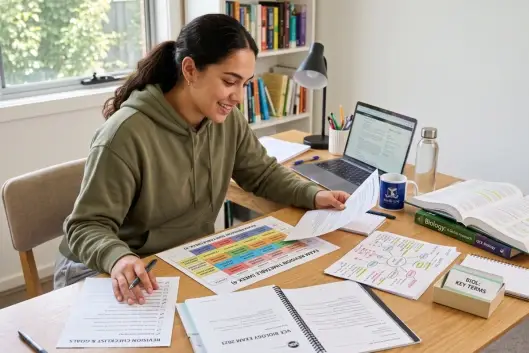
Balancing classes, homework, assignments, extracurricular activities, part-time work, and personal commitments can quickly make the day feel too short. Many students start each week with good intentions, only to find themselves rushing to meet deadlines, cramming the night before exams, or wondering where all their time disappeared. These challenges are incredibly common, but they do not have to become part of your routine. Developing effective time management tips for students can help you stay organised, reduce stress, and make the most of every study session. In this guide, we will explore why time management matters, the common challenges students face, practical strategies that can make a real difference, useful planning tools, and mistakes to avoid when creating a study schedule.
Why Time Management Matters For Students
Managing your time effectively is about much more than completing assignments on schedule. It creates structure, reduces unnecessary stress, and helps you stay in control of your workload throughout the school year. When you know what needs to be done and when, it becomes easier to avoid the pressure that often comes with leaving everything until the last minute.
Good time management also improves learning outcomes. Instead of rushing through tasks or relying on last-minute revision, students have more opportunities to understand concepts, practise difficult topics, and retain information over the long term. Better planning also creates space for hobbies, family, exercise, and social activities, helping maintain a healthier balance between study and personal life. These habits extend well beyond school, becoming valuable skills that support success at university, in the workplace, and throughout adulthood.
Common Time Management Challenges Students Face
Every student experiences obstacles that make it difficult to stay organised. While some challenges come from busy schedules, others are the result of habits that develop over time. Recognising these issues early makes them much easier to overcome.
- Procrastination and last-minute cramming. Delaying important tasks often leads to unnecessary stress and lower-quality work as deadlines approach.
- Taking on too much at once. Overcommitting to extracurricular activities, multiple subjects, or personal responsibilities can leave little time for focused study. Many students also struggle to prioritise tasks according to importance or upcoming deadlines.
- Everyday distractions and poor time estimates. Constant interruptions from phones, social media, streaming services, and messaging apps make it difficult to concentrate, while underestimating how long assignments will take often causes schedules to fall behind.
7 Time Management Tips For Students
There is no single productivity system that works for everyone. The most successful students often combine several simple habits that suit their learning style and daily routine. These 7 time management tips for students can help you study more efficiently while reducing unnecessary stress.
- Set clear daily and weekly goals. Start each week by identifying your priorities, then break them into manageable daily objectives that keep you moving forward.
- Prioritise tasks using a to-do list or priority matrix. Focus on completing important and urgent tasks first before moving on to less critical activities.
- Break large assignments into smaller steps. Rather than viewing a project as one overwhelming task, divide it into research, planning, drafting, editing, and final review.
- Use time blocking for study sessions. Allocate dedicated periods for individual subjects or assignments so you know exactly what to work on during each session.
- Avoid multitasking. Switching constantly between subjects, emails, messages, and social media reduces productivity and makes it harder to retain information.
- Create a consistent study routine. Studying at similar times each day trains your brain to focus more quickly and establishes productive habits.
- Build buffer time into your schedule. Unexpected interruptions happen, so allowing extra time before deadlines helps prevent unnecessary pressure if tasks take longer than expected.
These practical time management strategies for students encourage consistency rather than perfection, making them easier to maintain throughout the school year.
Tools & Techniques To Stay On Track
Technology offers many useful tools that make planning and organisation much simpler. Digital calendars allow students to schedule classes, assignment deadlines, exams, and study sessions in one place. Many apps also send reminders, helping ensure important tasks are not forgotten. Task management platforms with checklists allow students to track progress and experience the satisfaction of completing smaller milestones along the way.
Another highly effective approach involves using the Pomodoro Technique, one of the most widely recommended time management techniques for studying. This method divides work into focused 25-minute sessions followed by short five-minute breaks, helping maintain concentration without mental fatigue. Students who prefer traditional planning methods may find physical planners, diaries, or bullet journals equally valuable. Writing tasks by hand often provides a clearer visual overview of upcoming responsibilities and can improve accountability for daily goals.
Mistakes To Avoid While Managing Study Time
Even the best study plans can become ineffective if they are unrealistic or too rigid. Successful time management is flexible and should adapt as workloads, priorities, and personal circumstances change.
- Overplanning every minute of the day without allowing time for breaks, relaxation, or unexpected interruptions.
- Ignoring your natural energy levels and scheduling demanding study sessions when you are least focused.
- Setting unrealistic daily targets that become discouraging when they cannot be completed.
- Failing to review your schedule regularly and adjust it when certain strategies are no longer working.
- Comparing your routine with others instead of creating a system that suits your own learning style and commitments.
Remember that an effective schedule should support your wellbeing rather than create additional pressure. Flexibility is just as important as organisation.
Key Takeaways
Effective time management is one of the most valuable skills any student can develop. It reduces stress, improves productivity, supports stronger academic performance, and creates more opportunities to enjoy life outside the classroom. Rather than searching for the perfect planning system, focus on building consistent habits that fit your lifestyle. Start by choosing two or three strategies from this guide, practise them until they become part of your routine, and gradually introduce additional techniques as your confidence grows. Small, consistent improvements often produce far better long-term results than trying to change everything at once.