For many families, homework time has become a nightly battle. Despite good intentions from both parents and kids, it often ends in frustration, tears, or a standoff that leaves everyone exhausted before dinner is even on the table. The good news is that this struggle is rarely about a lack of effort. More often than not, it comes down to having the wrong routine in place rather than the wrong child. In this blog, we will look at why so many homework routines fail, and share practical, effective homework strategies for students that can turn homework time from a daily battle into a manageable part of the routine.
Why Most Homework Routines Fail
Before building a better routine, it helps to understand why so many existing ones do not work in the first place.
Trying To Force A One Size Fits All Approach
It is tempting to copy a homework routine that seems to work well for another family, without considering whether it actually suits your own child’s habits and energy levels. What works beautifully for one child can easily backfire for another, since every child processes their school day differently.
Inconsistent Timing & Expectations
When homework happens at a different time each day, it becomes much harder to build a lasting habit. Unclear expectations around how long homework should take or how much needs to be done can also create daily friction, since neither the parent nor the child is entirely sure what success looks like.
Underestimating How Tired Kids Really Are After School
Diving straight into homework the moment a child walks through the door, without any transition time from the school day, often sets the whole session up to fail. Ignoring mental fatigue is one of the most common reasons behind unnecessary meltdowns and resistance at homework time.
Choosing The Right Time & Place For Homework
Getting the timing and setting right can make a bigger difference than most parents expect.
Finding The Right Window After School
Some children do best diving straight into homework after school, while others need a short break to decompress first. Observing a child’s natural energy patterns, rather than guessing or forcing a fixed time, helps identify the window when they are genuinely ready to focus.
Setting Up A Consistent, Distraction-Free Spot
Choosing a quiet, comfortable location away from screens and siblings helps homework time feel more focused from the outset. Keeping the same spot each day also builds familiarity, so the moment a child sits down there, their brain naturally shifts into homework mode.
Avoiding Common Timing Mistakes
Scheduling homework too close to bedtime or dinner often leads to rushed, low quality work and unnecessary stress. Balancing homework with other after school commitments, like sport or simple downtime, helps keep the whole afternoon feeling manageable rather than overloaded.
Breaking Homework Into Manageable Chunks
Large tasks can feel overwhelming to a primary aged child, but breaking them down changes everything.
Splitting Tasks Into Smaller, Achievable Steps
Rather than looking at homework as one large, daunting task, breaking it down into smaller sections makes it feel far more achievable. Tackling one subject or section at a time helps maintain a sense of progress throughout the session.
Using Short Breaks To Maintain Focus
Introducing brief breaks between tasks helps prevent mental fatigue from building up. Keeping sessions short enough to match a primary aged attention span is one of the simplest yet most effective homework strategies available to families.
Prioritising Tasks By Difficulty Or Deadline
Encouraging kids to start with harder tasks while their focus is freshest tends to produce better results. Leaving simpler or more enjoyable tasks for the end also gives them something to look forward to as the session winds down.
Keeping Kids Motivated Without The Battles
Motivation often matters more than discipline when it comes to getting homework done without conflict.
Avoiding Power Struggles Over Homework
Recognising when pushing harder is only increasing resistance is an important skill for parents to develop. Choosing calm, consistent responses over frustration or ultimatums tends to defuse tension far more effectively than digging in for a fight.
Using Small Incentives & Positive Reinforcement
Simple rewards, like a bit of extra playtime or a favourite activity once homework is done, can go a long way. Celebrating effort and progress, rather than focusing only on getting every answer right, helps keep motivation steady over time.
Making Homework Feel Like Part Of The Routine, Not A Punishment
Framing homework as a normal, expected part of the day, rather than something to dread, changes the tone considerably. Keeping the approach calm and matter of fact, rather than confrontational, helps homework blend into the daily rhythm instead of standing out as a battleground.
The Parents' Role In A Successful Routine
Parents play an important role in a successful homework routine, though it looks different from simply supervising every step.
Supporting Without Taking Over
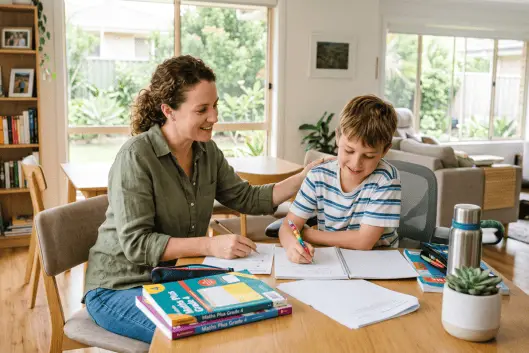
Offering guidance without doing the work for a child helps build genuine understanding rather than just getting the task finished. Encouraging independence while still being available when needed strikes a balance that benefits a child’s confidence in the long run.
Staying Consistent Even When It's Difficult
Sticking to the routine on harder days, rather than abandoning it altogether the moment things get tricky, matters more than getting every single day perfect. Consistency over time is what actually builds a lasting habit, far more than any single flawless session.
Knowing When To Seek Extra Support
Sometimes, ongoing homework struggles point to a bigger learning gap that a routine alone cannot fix. If homework battles persist despite trying different effective homework strategies for students, it may be worth seeking outside support. At GrowthEdge Learning, our tutoring programs are designed to help identify these gaps and give children the extra support they need to build confidence and independence.
Final Thoughts
A successful homework routine is less about willpower and more about having the right structure in place. Every family will need to experiment a little before finding what works best for their child, and that is completely normal. If homework time continues to feel like a daily struggle despite trying different homework strategies for students, GrowthEdge Learning is here to help your child get back on track with the right support.