Academic performance varies widely among students, even within the same school and curriculum, and these differences are rarely due to intelligence alone. Factors such as learning styles, confidence levels, study habits, emotional wellbeing and the support a child receives at home and school all play a role, with challenges often emerging at different stages of schooling as academic demands increase. This guide helps parents understand practical and realistic ways to improve academic performance without adding unnecessary pressure, by explaining key influences on learning and sharing actionable strategies that support a child’s confidence, motivation and long-term academic growth.
Understanding What Affects Academic Performance
Every child learns differently, and recognising individual learning styles is an important first step. Some students learn best through visuals, others through listening or hands-on activities. When teaching methods or study approaches do not align with a child’s learning style, progress can feel slow and frustrating.
Confidence, motivation and mindset also have a strong influence on academic outcomes. Students who believe they can improve are more likely to persist with challenging tasks. Those who doubt their ability may avoid effort altogether, even when they are capable. A positive mindset encourages curiosity and resilience, while a fixed mindset can limit growth.
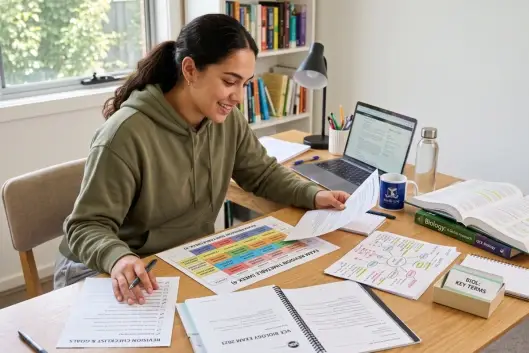
Study habits and routines shape how effectively children use their time. Regular revision, structured study sessions and organised materials support memory and understanding. In contrast, inconsistent routines and last-minute studying often lead to stress and weaker results.
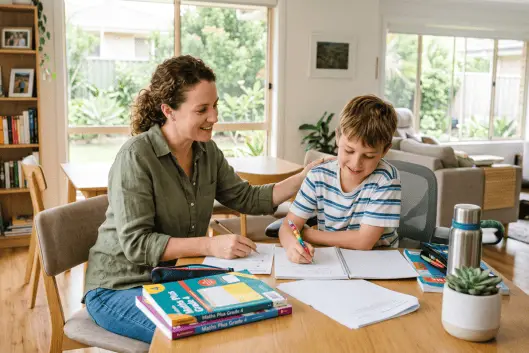
The home and school environments further influence performance. Supportive relationships, clear expectations and open communication create a sense of security that allows students to focus on learning. When these elements are missing, academic performance often suffers regardless of effort.
Way 1: Build Strong Study Habits & Routines
Strong study habits provide structure and reduce daily stress around schoolwork. Children who know when and how they are expected to study are more likely to stay consistent and focused.
Creating a consistent study schedule helps children develop discipline and time awareness. Study sessions should be short and regular rather than long and infrequent. Consistency is more effective than intensity, especially for younger students.
A distraction-free study space also makes a significant difference. This space should be quiet, organised and used primarily for learning. Keeping devices and unrelated materials away during study time helps maintain focus and productivity.
Regular revision is another key habit. Revisiting concepts shortly after they are learned strengthens understanding and reduces the need for cramming before assessments. At the same time, it is important to balance study with rest and recreation. Adequate sleep, physical activity and downtime support concentration and emotional wellbeing. These habits form the foundation of many successful strategies to improve academic performance of students.
Way 2: Support Confidence & Motivation
Confidence and motivation are closely linked to academic success. Students who feel capable are more willing to engage with learning and take responsibility for their progress.
Encouraging effort over results helps children develop a healthier relationship with learning. Praising persistence, preparation and improvement teaches students that growth comes from effort, not perfection. This approach reduces fear of failure and builds resilience.
Setting achievable academic goals gives children a sense of direction and control. Goals should be specific and realistic, focusing on progress rather than comparison. Celebrating small improvements reinforces positive behaviour and keeps motivation high.
Reducing fear of failure is equally important. When mistakes are treated as learning opportunities rather than setbacks, students feel safer to try. This mindset supports long-term confidence and is one of the most effective ways to improve academic performance of students across all age groups.
Way 3: Identify Learning Gaps Early
Learning gaps often develop quietly and widen over time if left unaddressed. Early identification allows for targeted support before frustration and disengagement set in.
Signs that a child may be struggling include frequent confusion, avoidance of certain subjects, declining confidence or inconsistent results. These signs do not necessarily indicate lack of ability, but they do signal a need for closer attention.
Early diagnosis is important because it allows parents and educators to address issues while concepts are still manageable. Academic assessments play a valuable role in this process. They provide objective insights into a child’s strengths, gaps and readiness levels.
Once gaps are identified, targeted support strategies can be implemented. This may include revisiting foundational concepts, adjusting study methods or providing additional guidance. Addressing gaps early is one of the most effective academic improvement strategies for preventing long-term difficulties.
Way 4: Encourage Active Learning & Engagement
Active learning involves engaging with material rather than passively receiving information. Students who actively participate in their learning tend to retain information better and develop deeper understanding.
Asking questions and discussing lessons at home encourages reflection and critical thinking. Simple conversations about what was learned during the day can reinforce understanding and reveal areas of confusion.
Connecting learning to real-life examples helps students see relevance and meaning. When concepts are linked to everyday experiences, learning feels more engaging and less abstract.
Promoting independent thinking is another important element. Encouraging children to explain their reasoning, explore different approaches and make decisions builds confidence and cognitive flexibility. Reducing passive learning habits, such as rote memorisation without understanding, supports long-term academic growth and aligns with proven tips for student success.
Way 5: Provide The Right Academic Support
Knowing when and how to provide additional support can significantly influence academic outcomes. Extra help is not a sign of failure, but a proactive step towards improvement.
Signs that extra support may be needed include persistent confusion, declining motivation or increased stress around schoolwork. Coaching and mentoring offer personalised guidance that goes beyond homework help. They focus on learning strategies, organisation and confidence-building.
Aligning support with the school curriculum ensures consistency and relevance. Support should reinforce classroom learning rather than introduce conflicting methods. At the same time, it is important to avoid over-reliance on tutoring. The goal is to build independence, not dependence.
The right academic support empowers students to take ownership of their learning and apply effective strategies independently.
Common Mistakes Parents Should Avoid
While supporting academic performance, parents may unintentionally create additional pressure. Overloading children with extra work can lead to burnout and reduced motivation. More study does not always mean better outcomes.
Comparing children with peers or siblings can undermine confidence and create unnecessary stress. Each child’s learning journey is unique and should be supported accordingly.
Ignoring emotional wellbeing is another common mistake. Anxiety, low confidence and stress can significantly affect academic performance. Addressing emotional needs is just as important as addressing academic ones.
Delaying intervention often allows small issues to grow into larger challenges. Early, supportive action is far more effective than reactive measures later on.
How Professional Guidance Can Enhance Academic Performance
Professional guidance adds clarity and structure to a child’s academic journey. Personalised academic planning considers individual strengths, gaps and goals rather than applying a one-size-fits-all approach.
Expert insight and feedback help students understand how they learn best. This understanding improves study efficiency and confidence. Professional support also encourages accountability and consistency.
Long-term academic growth is supported through ongoing review and adjustment. As students progress through different school stages, their needs change. Professional guidance adapts strategies accordingly and supports smoother transitions.
Importantly, effective guidance helps students build independence. The focus is not just on improving current results, but on developing skills that support lifelong learning.
Key Takeaways
Improving a child’s academic performance requires a balanced approach that addresses habits, confidence, engagement and support. Strong routines, positive motivation, early identification of learning gaps and active learning strategies all contribute to consistent progress. Above all, patience and consistency play a vital role in long-term success.
Parents who take a proactive, informed approach create an environment where children feel supported rather than pressured. At GrowthEdge Learning, families are guided through this process with evidence-based strategies and personalised support. Under the leadership of Dr Pratibha Malhotra, GrowthEdge Learning uses the GABA™ Academic Benchmark Assessment to identify learning needs and design tailored pathways for students in Years 4 to 12. With expert mentors and a focus on confidence, clarity and leadership, GrowthEdge Learning partners with parents to help students build strong academic foundations and achieve sustained success in school and beyond.