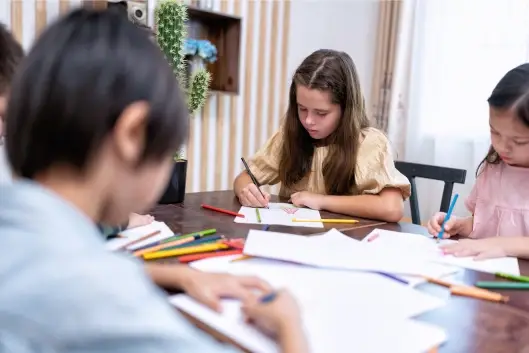
Supporting a child’s education is important, but there is a fine line between encouragement and pressure. As academic expectations increase, parents can understandably worry about grades, progress and future opportunities. However, when learning conversations focus too heavily on results, children may begin to associate education with anxiety rather than curiosity and growth. Healthy parental support means being involved without taking control, encouraging progress without demanding perfection, and providing structure without making every moment about schoolwork. This article explores practical ways parents can support learning at home through balanced routines, positive communication, effort-based encouragement and appropriate independence, helping children develop academically while protecting their confidence and emotional wellbeing.
Recognising The Signs Of Academic Pressure
Academic pressure does not always appear as obvious distress. Some children may openly discuss feeling overwhelmed, while others may show changes in behaviour, mood, study habits or physical wellbeing. Recognising these signs early can help parents respond before pressure begins affecting the child’s relationship with learning.
Behavioral Signs
A student experiencing excessive pressure may become reluctant to attend school, avoid homework or regularly procrastinate. Perfectionism can also become noticeable when a child becomes extremely upset by small mistakes, repeatedly checks their work or refuses to complete a task unless it feels perfect.
Other signs can include withdrawing from hobbies, becoming frustrated when school is mentioned or constantly seeking reassurance about their performance. These behaviours are not always caused by academic pressure, but they are worth considering when they persist or appear alongside other changes.
Emotional Signs
Anxiety before tests or assessments, fear of disappointing parents and low confidence can indicate that academic performance has become too important to a student’s sense of self-worth. A child who describes themselves as “bad at maths” after receiving a low mark may be interpreting one result as a judgement of their overall ability.
Parents can help by reminding children that difficulty with a subject does not define their intelligence or potential. Learning involves challenges, mistakes and gradual improvement.
Physical Signs
Academic stress can sometimes contribute to sleep difficulties, tiredness, headaches or stomachaches. Changes in appetite or energy may also occur when a child is experiencing ongoing stress. These symptoms can have many causes, so parents should consider the wider context and seek appropriate professional advice if concerns persist.
Pressure can also develop from well-meaning comparisons or high expectations. Asking repeatedly about marks, comparing siblings or classmates, or setting unrealistic targets may unintentionally communicate that results matter more than wellbeing.
Shifting The Focus From Grades To Growth
Grades can provide useful information about academic progress, but they do not show everything a student has learned or how much they have improved. A growth-focused approach encourages children to value practice, persistence and problem-solving rather than seeing every assessment as a final judgement of their ability.
Why Effort-Based Praise Works Better
Praising effort and effective learning behaviours can help build resilience. Instead of focusing only on a high mark, parents can recognise preparation, persistence and the strategies a child used to overcome difficulty.
For example, saying, “You kept working even when that topic was difficult,” reinforces a behaviour that can support future learning. This approach helps students understand that improvement is connected to practice and persistence.
Encouraging A Growth Mindset
Mistakes should be treated as part of learning rather than evidence of failure. Parents can encourage children to consider what went wrong, what they understand now and what they could try differently next time.
Progress should also be celebrated, even when the final result is not the highest mark. Instead of asking only, “What did you score?”, parents can ask, “What did you learn?” or “What feels easier than it did before?” These questions shift attention towards development and understanding.
Creating A Low-Pressure Study Routine At Home
A consistent study routine can provide structure without making home feel like another classroom. Students benefit from knowing when they need to study, but routines should remain flexible enough to accommodate school demands, extracurricular activities and personal downtime.
Setting Consistent But Flexible Study Times
Parents can help children establish realistic periods for homework, revision and independent study. A predictable routine can reduce procrastination and make academic tasks easier to manage.
However, the schedule should not be so rigid that students feel guilty whenever they need a break. As children become more independent, they can gradually take greater responsibility for deciding how to organise their study time.
Creating A Calm, Distraction-Free Study Space
A suitable study area should be comfortable, organised and reasonably free from distractions. Having books, stationery and other necessary resources nearby can reduce interruptions and encourage independent work.
A healthy routine should also include breaks, sleep, exercise, hobbies and family time. Over-scheduling can increase fatigue and make learning less effective. Parents should avoid turning every free moment into a “teaching moment”. Children need time to relax without feeling that they are constantly being assessed.
Communicating Support Without Judgment
The way parents discuss school can influence how children respond to academic challenges. Supportive communication does not mean ignoring mistakes or avoiding difficult conversations. Instead, it means addressing challenges without making children feel that poor performance will lead to criticism or disappointment.
Parents can use encouraging language focused on solutions. Rather than asking why a child made a mistake, they can ask which part of the task was difficult or whether they would like help. Emotional check-ins are equally important because asking how a child feels about school can reveal concerns that questions about grades may not uncover.
Practicing Active Listening
When children are frustrated, parents may immediately want to provide advice. Sometimes, however, the most helpful response is simply listening.
Allowing a child to explain what they find difficult without immediate correction can make them feel heard. Parents can acknowledge their feelings and then ask what type of support they need. This also gives children an opportunity to think about their own challenges and possible solutions.
Avoiding Comparisons
Comparing children with siblings, classmates or friends can increase pressure, even when the intention is motivational. Statements about another student’s grades or study habits may leave a child feeling that they are not good enough.
Parents should also avoid relying too heavily on “when I was your age” comparisons. Each student has different strengths, circumstances and learning needs. Focusing on individual progress is usually more constructive.
Knowing When (And How) To Step Back
Parental involvement is valuable, but students also need opportunities to become independent learners. Trusting the process means recognising that children develop at different rates and that temporary academic difficulties do not necessarily indicate a long-term problem.
Healthy support involves being available when needed while allowing children to take increasing responsibility for their learning.
Recognizing Over-Involvement
There is a difference between helping a child establish a routine and managing every part of their education. Helicopter parenting can involve constantly checking homework, monitoring every mark or correcting work before submission.
Parents can provide guidance without taking ownership. Helping a student plan priorities is useful, but allowing them to manage appropriate tasks independently helps develop responsibility and confidence.
Letting Kids Problem-Solve
Children learn important skills when they are allowed to make reasonable academic decisions. If a student forgets an assignment or mismanages their study time, immediately fixing the problem for them may prevent them from learning how to handle similar situations.
Instead, parents can ask what happened and what the student could do differently next time. Experiencing reasonable consequences can strengthen organisation, decision-making and problem-solving skills while parents remain available to provide guidance when genuinely needed.
Key Takeaways
Effective parental support is about presence and encouragement rather than control and pressure. Parents can support healthier learning by recognising signs of stress, focusing on effort and progress, creating balanced routines, communicating without judgment, avoiding comparisons and gradually encouraging independence. These strategies to support learning can help children develop confidence while maintaining a positive relationship with education. When additional academic guidance is needed, GrowthEdge Learning can provide personalised, concept-driven support that complements the encouragement students receive at home.